
TIWN Feb 16, 2026
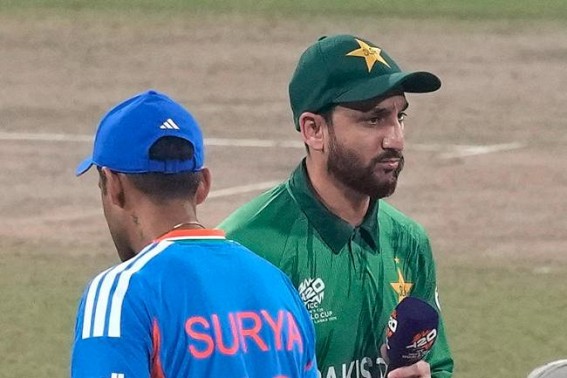
In one of the most anticipated clashes of the ICC Men's T20 World Cup 2026, India delivered a crushing 61-run victory over arch-rivals Pakistan on February 15, 2026, at the R. Premadasa Stadium in Colombo, Sri Lanka. This win not only secured India's spot in the Super 8 stage but also extended their impressive record against Pakistan in T20 World Cups to 8-1. However, the match was overshadowed by the absence of handshakes between the teams, both at the toss and post-match, highlighting the deepening intersection of cricket and international relations between the two nations.
Match Summary: India's Firepower Overwhelms Pakistan
Pakistan captain Salman Agha won the toss and elected to bowl first, a decision that seemed strategic given the conditions. But India's batting lineup, led by opener Ishan Kishan, had other plans. Kishan smashed a blistering 77 off just 40 deliveries, setting a formidable total that Pakistan could never chase down. India's skipper Suryakumar Yadav contributed steadily, and the bowlers, including spinners and pacers, dismantled Pakistan's batting order, restricting them to a subpar score.
The game, which almost didn't happen due to Pakistan's earlier boycott threats over venue and security concerns, lived up to its billing as a high-stakes encounter but fell short of a close contest. Pakistan reversed their boycott decision just weeks before, allowing the marquee fixture to proceed. For fans searching for "India vs Pakistan T20 World Cup result," this dominant performance reaffirms India's superiority in recent bilateral clashes.
The No-Handshake Controversy: A Symbol of Strained Ties
The absence of handshakes stole headlines, continuing a policy India adopted during the Asia Cup 2025. At the toss, Suryakumar Yadav and Salman Agha maintained distance, avoiding eye contact and the traditional gesture. This "no-handshake policy" stems from geopolitical tensions, including terror attacks and solidarity with affected families, as per reports. Post-match, the teams skipped the customary congratulations, further fueling debates on sportsmanship.
Critics, including former Indian cricketer Sanjay Manjrekar, called it "silly" and "unbecoming," arguing it tarnishes the spirit of cricket. Pakistan's side expressed surprise but chose to focus on the game. For those querying "India Pakistan no handshake T20 World Cup," this incident marks the second major tournament where the gesture was omitted, following the Asia Cup.
International Relations: Cricket as a Diplomatic Battlefield
The India-Pakistan cricket rivalry has long mirrored their complex bilateral relations, marked by border disputes, terrorism allegations, and sporadic diplomatic thaws. Pakistan's initial boycott threat earlier this month was tied to venue disputes and security, reflecting ongoing distrust. The reversal came amid ICC interventions, but the no-handshake stance underscores India's firm position against normalizing ties through sport until broader issues are addressed.
Experts note that such matches amplify nationalistic sentiments, with cricket boards like the BCCI and PCB navigating political pressures. PTF President Aisam-ul-Haq commented that India's refusal reflects a mentality aimed at financial damage, though Pakistan remains independent. Searches for "India Pakistan cricket international relations" often highlight how these games serve as soft power tools, but the 2026 encounter shows how politics can eclipse the sport.
Reactions from Fans, Experts, and Players
The match sparked a flurry of reactions online and in media. On X (formerly Twitter), former Pakistani cricketer Mohammad Hafeez expressed worry over the no-handshake start, calling it a "surprised response" that hurts fans. Indian fans celebrated the win with memes like "India win pak go home without hand shake," while others criticized the policy as unsportsmanlike.
Pakistani users lamented the loss of sportsmanship, with one post stating India "lost it when they decided not to shake hands." Analyst Raazi viewed Pakistan's boycott reversal as a "slap on BCCI," emphasizing the financial and diplomatic angles. Broader sentiments included disappointment over hate in cricket, with videos of past over-celebrations by Pakistan drawing contrasts.
Media outlets like The Athletic described the tension as palpable from the toss, setting a tone for the game. For "India Pakistan T20 reactions," the discourse blends triumph, criticism, and calls for restoring cricket's apolitical spirit.
What This Means for Future India-Pakistan Clashes
As India advances to the Super 8, questions linger on whether the no-handshake policy will persist in future tournaments. With the next potential meeting in the knockout stages, fans hope for a return to pure cricketing rivalry without off-field drama. Yet, as long as international relations remain strained, cricket will continue to reflect those tensions.
For the latest on "T20 World Cup 2026 updates," India's unbeaten run positions them as favorites, while Pakistan faces an uphill battle to qualify. This match, beyond the scores, reminds us why India vs Pakistan remains cricket's ultimate spectacle—intense, emotional, and inextricably linked to history.
- India vs Pakistan T20 World Cup 2026: Dominant Win for India Amid No-Handshake Tension and Geopolitical Situations
- When nobody knew me, my coaches backed me: Tilak Varma credits childhood coaches for his success
- 'Everyone wants to beat Australia, but we'll stay composed under pressure', says captain Alyssa Healy
- PKL 12: Heartbreak was evident, they must learn to move forward, says Rishank on Haryana Steelers’ loss to Delhi
- WPAC 2025: Yogesh Kathuniya earns silver in F56 Discus throw; Saudi sprinter Naif Almasrahi sets men’s 100m T44 world record
Special Articles
 Sanjay Majumder
 Anirban Mitra