
TIWN Oct 8, 2026
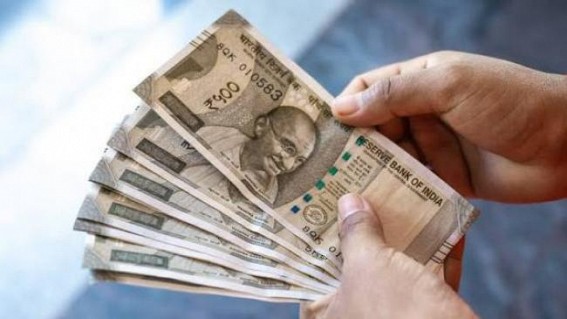
The Reserve Bank of India (RBI) has raised its key interest rate for the first time in nearly four years, as concerns over rising inflation and higher oil prices grow.
The RBI’s Monetary Policy Committee (MPC) increased the repo rate by 0.25 percentage point, or 25 basis points, to 5.50%. The decision was taken unanimously by all six members of the committee.
The repo rate is the interest rate at which the RBI lends money to commercial banks. When this rate rises, borrowing can become more expensive for banks, which can eventually affect the interest rates charged on loans to consumers and businesses.
Why did the RBI raise the rate?
The RBI is becoming more concerned about inflation. Rising crude oil prices, a weak monsoon and global tensions are putting pressure on prices in India. The central bank also expects inflation to remain higher than previously estimated.
At the same time, India's economy continues to grow strongly. The RBI has raised its growth forecast for the 2026-27 financial year to 7.1%, giving it more room to focus on controlling inflation.
The central bank has also changed its policy approach from “neutral” to “calibrated tightening.” In simple terms, this means the RBI is now more focused on preventing inflation from rising further and is unlikely to cut interest rates in the near term.
What does this mean for ordinary people?
The rate hike could eventually make some loans more expensive, particularly loans linked to floating interest rates. Home, auto and other loans could see higher interest costs if banks pass on the increase to customers.
However, the impact may not be immediate or the same for every borrower. Banks decide how much of the RBI's rate change they pass on to customers.
For savers, higher interest rates can potentially be positive if banks increase rates on fixed deposits and other savings products.
The RBI has signaled that its future decisions will depend largely on how inflation, oil prices and economic conditions develop.
- GST Council Meeting Today!! Swiggy, Zomato Delivery Charges May Become Cheaper
- 18% GST on Services Provided by Finance Companies to Banks
- India’s Diesel Exports Hit One-Year High in September
- RBI Raises Interest Rate After Nearly Four Years, Loans Could Become Costlier
- Gold Gets Costlier, Silver Demand Rises in this Festiva Season : Report
Special Articles
 Sanjay Majumder
 Anirban Mitra