
TIWN
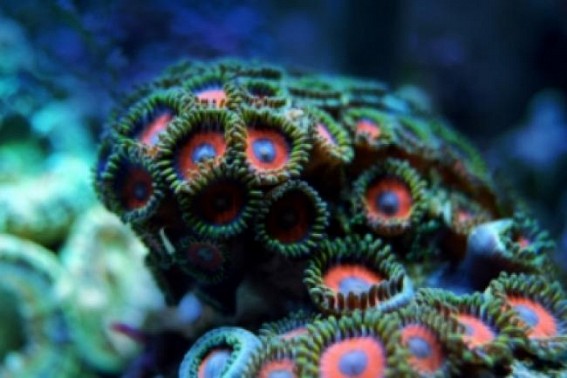
Montreal, Dec 9 (TIWN): More than 90 per cent of marine species are undescribed and many may go extinct due to human activity before they are discovered -- the loss of unique, potentially valuable genetic resources resulting in unpredictable effects on global ecosystems essential to human food supplies and climate regulation.
Without knowledge of these species, effective deep sea conservation is impossible, leading international marine scientists warned in a new policy brief presented at the UN Biodiversity Conference (COP15) on Thursday in Montreal.
They urge global policy-makers to support urgently needed new research to fill a critical knowledge gap.
While nearly 28,000 deep-sea animal species have been described and named, an estimated 2.2 million other marine species, including deep-sea, are unknown to science, of which many are thought to be threatened with extinction.
In 2019, the scaly-foot snail (Chrysomallon squamiferum) became the first deep-sea species listed as globally endangered due to the threat of deep-seabed mining.
"Conservation of deep-sea species found in 'areas beyond national jurisdiction' is particularly challenging," the policy brief says.
"We know very little about them, and there is not yet an international framework to guide the implementation of conservation measures," says lead author of the brief, Stefanie Kaiser of the Senckenberg Research Institute and Natural History Museum, Frankfurt.
- U.S. Grants India 30-Day Waiver To Buy Russian Oil As Iran War Drives Crude Prices Near $87
- Iran’s Islamic Regime Chooses Slain Supreme Leader’s Son as Successor: Israel Lists Him for ‘Elimination’
- Ayatollah's Wife Is Dead
- Modi Recalls Genocide of Jewish Community: What Does Modi’s Visit to World Holocaust Center Symbolize?
- Macron's Visit to India Aims at Trade, AI, Bollywood, Student Visas, and Defense and Cultural Aspects
Special Articles
 Sanjay Majumder
 Anirban Mitra