
TIWN
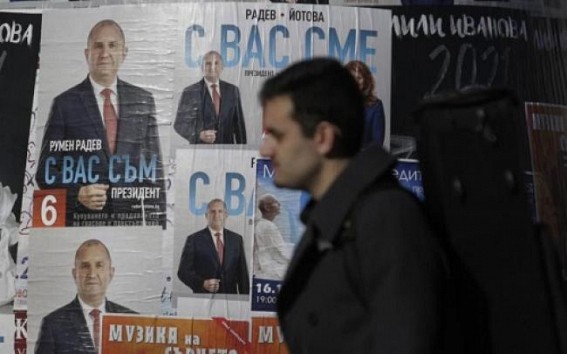
Sofia, Nov 14 (TIWN) Bulgarians went to the polls on Sunday to elect a President and a National Assembly.
No party is expected to win an outright majority in the November 14 parliamentary elections, the third such vote this year, opening the door to more difficult coalition talks in a deeply divided parliament. Failure to form a government could slow Bulgaria’s plan to adopt the euro currency by 2024 and delay measures to soften the impact of high energy costs on consumers this winter.
A member of both NATO and the European Union, Bulgaria has been plagued by rampant corruption since overthrowing communism more than three decades ago. It is the EU's poorest member and routinely comes in at the bottom of the bloc for perceptions of corruption and media freedom. Boyko Borisov, who was at the helm for more than a decade, stepped down as prime minister in April after widespread anti-corruption protests against him and his center-right GERB party, the Citizens for European Development of Bulgaria.
- U.S. Grants India 30-Day Waiver To Buy Russian Oil As Iran War Drives Crude Prices Near $87
- Iran’s Islamic Regime Chooses Slain Supreme Leader’s Son as Successor: Israel Lists Him for ‘Elimination’
- Ayatollah's Wife Is Dead
- Modi Recalls Genocide of Jewish Community: What Does Modi’s Visit to World Holocaust Center Symbolize?
- Macron's Visit to India Aims at Trade, AI, Bollywood, Student Visas, and Defense and Cultural Aspects
Special Articles
 Sanjay Majumder
 Anirban Mitra