
TIWN
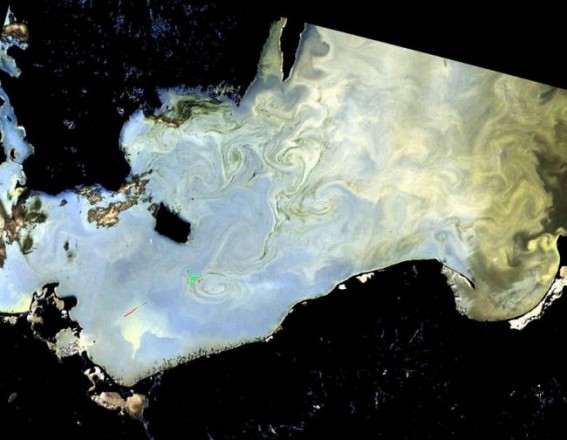
New Delhi, June 9 (TIWN) A first-ever analysis of harmful algal blooms (HAB) -- 9,500 recorded globally over 33 years -- shows the harm rising in step with the aquaculture industry, marine exploitation and coastal development launched by UNESCO's Intergovernmental Oceanographic Commission on Tuesday.
Conducted over seven years by 109 scientists in 35 countries, the study found that reported HAB events have increased in some regions and decreased or held steady in others. A widely-stated view that HABs are on the rise throughout the world, perhaps due to climate change, isn't confirmed. However, the study, "Perceived global increase in algal blooms is attributable to intensified monitoring and emerging bloom impacts," published in the Nature journal Communications Earth & Environment, creates the world's first baseline against which to track future shifts in the location, frequency and impacts of HABs, which differ depending on which of the 250 harmful marine algae species is involved and where, requiring assessment on a species-by-species and site-by-site basis.
- U.S. Grants India 30-Day Waiver To Buy Russian Oil As Iran War Drives Crude Prices Near $87
- Iran’s Islamic Regime Chooses Slain Supreme Leader’s Son as Successor: Israel Lists Him for ‘Elimination’
- Ayatollah's Wife Is Dead
- Modi Recalls Genocide of Jewish Community: What Does Modi’s Visit to World Holocaust Center Symbolize?
- Macron's Visit to India Aims at Trade, AI, Bollywood, Student Visas, and Defense and Cultural Aspects
Special Articles
 Sanjay Majumder
 Anirban Mitra