
TIWN
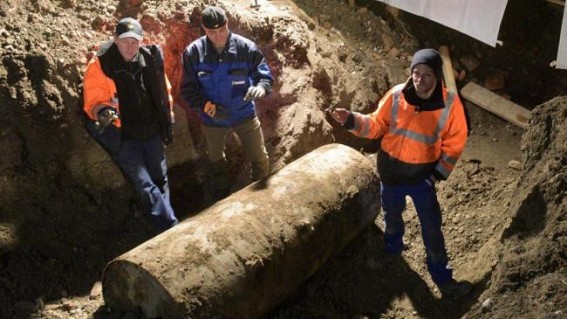
Berlin, June 15 (TIWN) Bomb disposal squads on Saturday deactivated a 100-kg explosive dating back to the World War II that had been found in Berlins Alexanderplatz square.
Shortly before 11 a.m. on March 15, 1945, the first of 36 B-17 Flying Fortresses of the 493rd Bombardment Group of the U.S. Eighth Air Force thundered down the concrete runway of Little Walden airfield in Essex, England, and rose slowly into the air. They headed east, gradually gaining altitude until, assembled in tight box formations at the head of a stream of more than 1,300 heavy bombers, they crossed the Channel coast north of Amsterdam at an altitude of almost five miles. Inside the unpressurized aluminum fuselage of each aircraft, the temperature fell to 40 degrees below zero, the air too thin to breathe. They flew on into Germany, passing Hanover and Magdeburg, the exhaust of each B-17’s four engines condensing into the white contrails every crewman hated for betraying their position to defenders below. But the Luftwaffe was on its knees; no enemy aircraft engaged the bombers of the 493rd.
- Trump’s 60-Day Russia Sanctions Waiver Offers India Tariff Relief
- Co-Pilot Allegedly Stabs Captain Mid-Flight, Plane Makes Emergency Landing in Saudi Arabia
- ‘Artificial Intelligence’ Renamed as ‘Super Intelligence’ in the US
- Australia Launches Urgent Review After OpenAI AI Agent Breaches Medicare Portal
- China Reduces Troop Presence Along LAC as India-China Relations Improve: Report
Special Articles
 Sanjay Majumder
 Anirban Mitra